
Beyond the Board: The Unexpected Benefits of Playing Chess shows that this timeless game is much more than a way to pass time—it is a simple daily habit that sharpens the mind, calms emotions, and builds real-life skills for all ages. When people start seeing chess as a tool for growth rather than just a game, they unlock powerful cognitive, emotional, and social benefits that ripple into school, work, and everyday life.
How Chess Supercharges the Brain
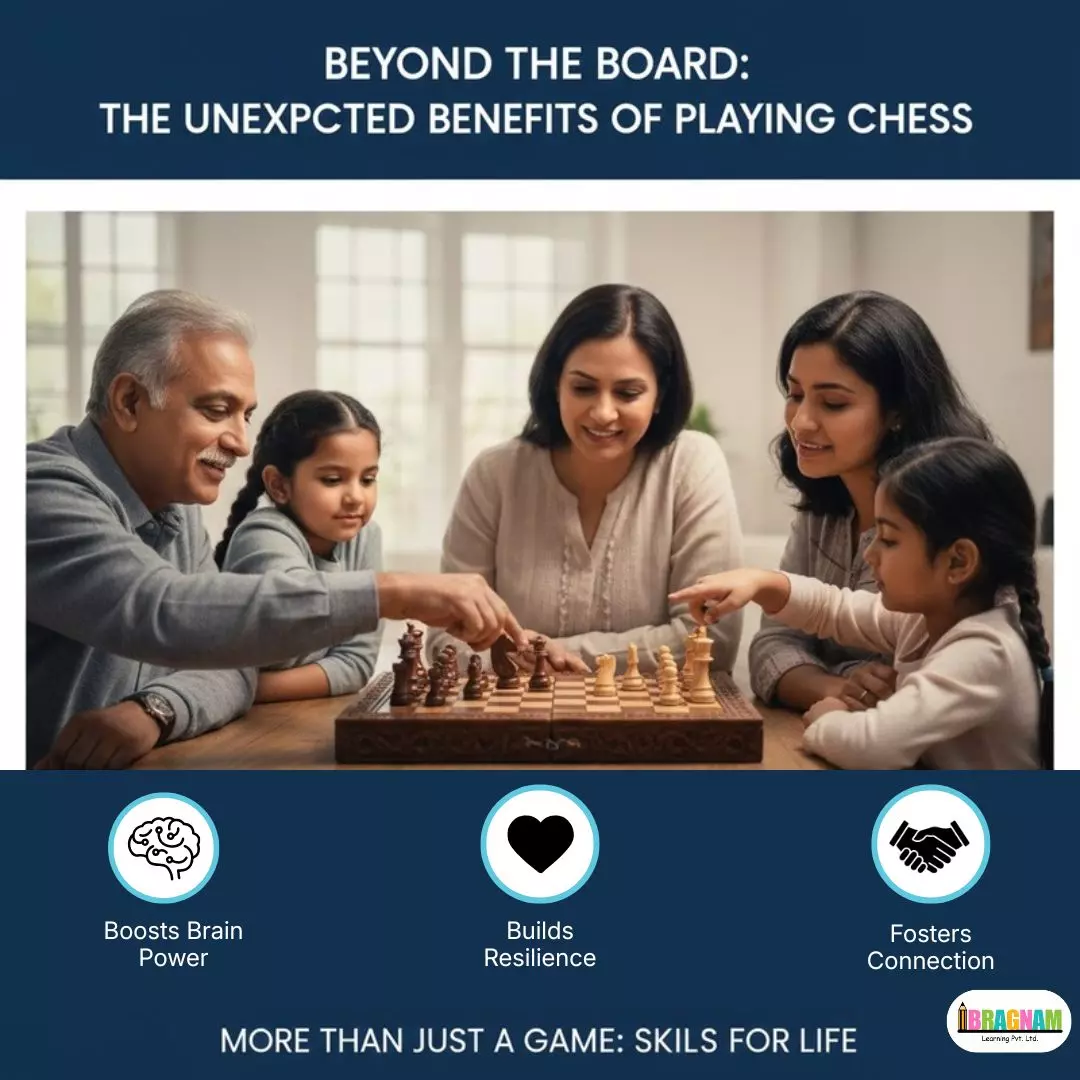
Beyond the Board: The Unexpected Benefits of Playing Chess begins with the brain, because the most visible changes start in how we think, focus, and remember. Regular play challenges the mind to process complex patterns, evaluate options, and make decisions under time and pressure.
Key cognitive benefits of chess include:
- Improved memory, as players constantly recall patterns, openings, and previous positions.
- Stronger attention and concentration, because one distraction can cost an entire game.
- Better logical thinking and planning, with players learning to think several moves ahead.
- Enhanced problem-solving skills that transfer to academics and work situations.
Studies on schoolchildren show that those who play chess regularly often score higher on measures of cognitive ability, problem-solving, and general intellectual development than peers who do not play. This makes Beyond the Board: The Unexpected Benefits of Playing Chess especially relevant for parents and educators who want a fun yet powerful learning tool.
Emotional Benefits: Patience, Resilience, and Confidence
Beyond the Board: The Unexpected Benefits of Playing Chess also highlights how this quiet board game trains emotional strength. Wins and losses are frequent, and both become powerful teachers for children and adults.
Some emotional and psychological gains from chess are:
- Greater patience, as players must wait, watch, and calculate rather than react impulsively.
- Emotional resilience, because every loss becomes a lesson instead of a final failure.
- Better stress management, with the focused nature of chess helping many players feel calmer and more in control.
For children, chess gently teaches that mistakes are part of learning and that improvement comes from practice, reflection, and trying again. For adults, Beyond the Board: The Unexpected Benefits of Playing Chess can mean using the game as a healthy outlet to unwind, reset the mind, and gain perspective after a long day.
Social Skills and Character Building
Another surprising theme in Beyond the Board: The Unexpected Benefits of Playing Chess is how much this “quiet” game actually connects people. Chess is played in homes, schools, clubs, and online platforms across the world, cutting across age, language, and culture.
Chess supports social and character growth in several ways:
- It builds sportsmanship, as players learn to greet opponents, follow rules, and accept results gracefully.
- It improves social interaction by encouraging conversation, respectful competition, and shared interests.
- It nurtures empathy and perspective-taking, because players try to “get into the opponent’s mind” and anticipate plans.
Research on children suggests that games with rules—especially chess—promote turn-taking, respect, fair play, and better understanding of others. Beyond the Board: The Unexpected Benefits of Playing Chess is therefore also a story about friendship, community, and learning to win with humility and lose with dignity.
Life Skills That Transfer Beyond the Board
The most powerful idea in Beyond the Board: The Unexpected Benefits of Playing Chess is that the skills you practice at the board do not stay on the board. They quietly shape the way you approach studies, decisions, relationships, and long-term goals.
Important life skills strengthened by chess include:
- Decision-making: Every move has consequences, teaching players to weigh options instead of acting on impulse.
- Critical thinking and creativity, as players experiment with new ideas, unusual plans, and surprising tactics.
- Time management, especially in timed games where you must balance speed with accuracy.
- Goal setting and persistence, because long games and long-term improvement both demand steady effort.
Some studies indicate that chess and similar mentally challenging activities can even support better academic performance and may contribute to long-term cognitive health when combined with a healthy lifestyle. When people embrace Beyond the Board: The Unexpected Benefits of Playing Chess, they often find their thinking becomes clearer, their choices more deliberate, and their confidence more stable in day-to-day life.
How to Start Enjoying These Benefits
Beyond the Board: The Unexpected Benefits of Playing Chess is not only for tournament players—beginners and casual players can tap into these gains with simple, consistent habits. You do not need fancy equipment or advanced knowledge; you only need curiosity and a willingness to learn.
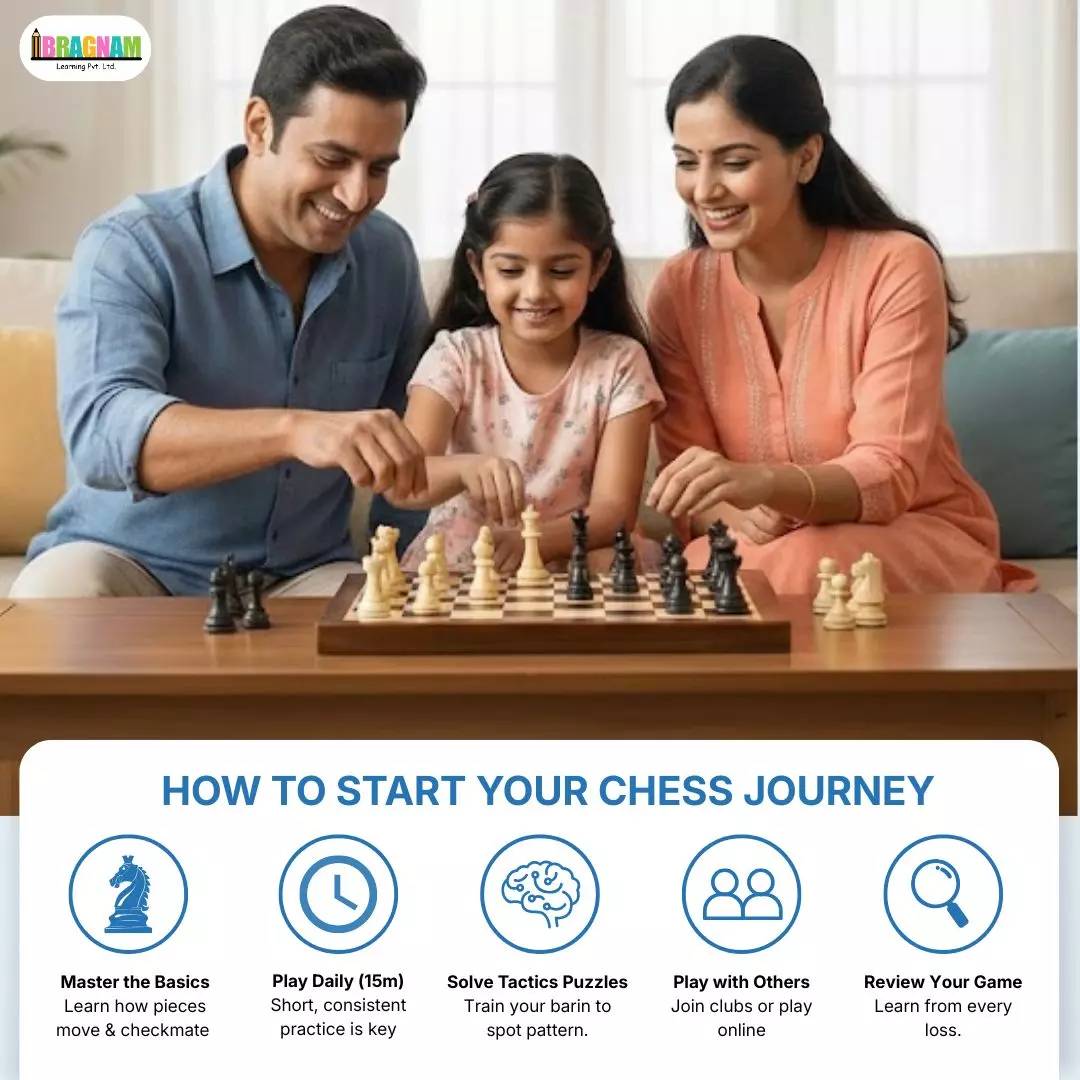
Try these practical steps to bring chess into your routine:
- Start with the basics: Learn how each piece moves and the simple goal of checkmate.
- Play short, regular games—15–30 minutes a day can be enough to see progress over time.
- Use puzzles or tactics apps to train your pattern recognition and calculation.
- Encourage children to play with friends, siblings, or classmates to add fun and social interaction.
- Review finished games briefly to understand one mistake and one good idea from each match.
When families, schools, and individuals embrace Beyond the Board: The Unexpected Benefits of Playing Chess, they create a simple, low-cost, and screen-light way to boost mental, emotional, and social growth.
FAQs: Beyond the Board: The Unexpected Benefits of Playing Chess
1. Is chess really good for the brain or is it just a myth?
Yes, many studies and expert reviews show that chess supports cognitive skills such as memory, attention, problem-solving, and logical thinking, especially when played regularly. Beyond the Board: The Unexpected Benefits of Playing Chess is strongly backed by this growing body of research.
2. At what age can children start experiencing the benefits of chess?
Children as young as 5–6 years can start learning basic moves and simple ideas, and many studies on primary school students already show gains in attention, reasoning, and academic-related skills. Beyond the Board: The Unexpected Benefits of Playing Chess becomes even more visible when chess is integrated into early education in a playful way.
3. Does chess help with focus in the digital age?
Chess demands full attention on the board, which trains the brain to stay with a single task rather than constantly switching between screens and notifications. Over time, this focus practice is one of the key elements of Beyond the Board: The Unexpected Benefits of Playing Chess in daily life.
4. Can chess reduce stress or anxiety?
For many people, the deep concentration required in chess offers a “mental break” from worries and can create a calming sense of flow. While it is not a medical treatment, Beyond the Board: The Unexpected Benefits of Playing Chess includes emotional balance and relaxation for many casual players.
5. Is online chess as beneficial as over-the-board chess?
Both online and face-to-face chess support core cognitive and emotional benefits, as the brain processes the same patterns and decisions. In-person games, however, add extra social and character-building aspects that further enrich Beyond the Board: The Unexpected Benefits of Playing Chess.
Conclusion: Make Your Next Move Count
Beyond the Board: The Unexpected Benefits of Playing Chess proves that each move you make on the 64 squares can shape how you think, feel, and connect with others in real life. Whether you are a parent, teacher, student, or working professional, adding a few games of chess to your week is a simple step toward sharper thinking, calmer emotions, and stronger character.
Ready to experience Beyond the Board: The Unexpected Benefits of Playing Chess for yourself? Start your next game today—offline or online—and then share your favorite lesson, move, or “aha!” moment in the comments to inspire others to join the journey.