
Introduction
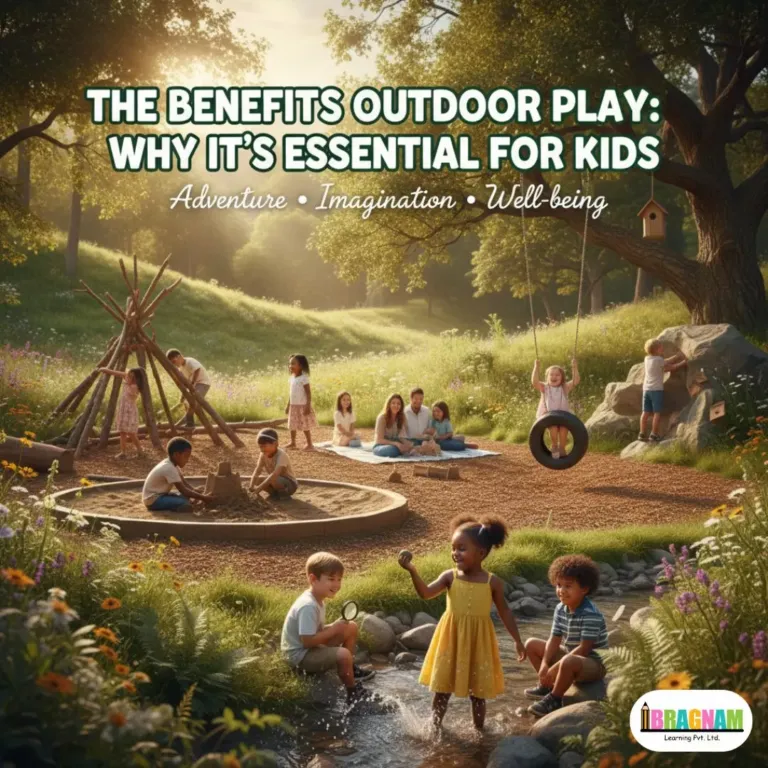
The benefits of outdoor play for kids go far beyond simple fun—they are essential for healthy development, creativity, and confidence. In today’s digital world, outdoor play offers children unique opportunities to grow physically, emotionally, and socially. This article explores why outdoor play is essential for kids and provides actionable tips to make it a regular part of every child’s life.
Why Outdoor Play Matters
Time spent outside impacts children at every level—from strong bones and muscles to creative problem-solving and social independence. Here’s why it should be a non-negotiable part of every child’s day:
Physical Health Benefits of outdoor play
- Develops advanced motor skills such as balance, coordination, and agility through activities like running, jumping, and cycling.
- Strengthens muscles and bones, supporting healthy growth.
- Reduces childhood obesity risk by encouraging regular physical activity.
- Improves immune function thanks to fresh air and sunlight, which also helps with Vitamin D production.
- Promotes better sleep routines through increased physical exertion.
Emotional and Mental Health Benefits of outdoor play
- Boosts mood and reduces stress, with sunshine and nature having proven calming effects.
- Supports emotional regulation and resilience, as kids learn to cope with wins and minor falls in a safe setting.
- Lowers risks of developing mental health issues later in life.
- Increases self-confidence as children master physical skills at their own pace.
Social and Communication Skills
- Fosters teamwork, negotiation, and communication through group games and unstructured play.
- Teaches conflict resolution and sharing in a natural environment.
- Builds empathy and understanding as kids interact with peers of different ages and backgrounds.
Intellectual and Cognitive Development
- Boosts curiosity, creativity, and critical thinking as children solve problems and invent games outside.
- Encourages appreciation for the environment, inspiring questions about nature, seasons, and wildlife.
- Enhances sensory skills as kids observe, touch, and explore the world around them.
The Importance of Balance: Outdoor vs. Indoor Play
While indoor activities offer their own benefits, outdoor play provides unique opportunities:
| Aspect | Indoor Play | Outdoor Play |
|---|---|---|
| Physical Health | Limited movement | Whole-body activity, coordination, and strength |
| Social Skills | Family or small group | Peer interaction and broader teamwork |
| Emotional Growth | Comfort zone, less risk | Resilience-building, risk assessment, problem-solving |
| Imagination | Toys, screens | Natural elements, creative DIY play |
Encouraging Outdoor Play: Practical Tips
Getting kids outside daily is easier than you might think! Consider these strategies:
- Create a routine: Schedule outdoor playtime just like mealtimes or homework.
- Lead by example: Take walks, explore parks, or garden together as a family.
- Offer simple equipment: Balls, jump ropes, or bikes spark creative play but aren’t essential—nature itself is a playground.
- Invite friends: Group activities can motivate even hesitant kids.
- Keep it safe: Provide supervision, teach basic safety rules, and ensure age-appropriate challenges.
Conclusion
Outdoor play isn’t just a fun way for children to pass time—it’s a crucial element for their growth, happiness, and well-being. By prioritizing outdoor activities, parents and educators can help nurture resilient, healthy, and well-adjusted kids ready to tackle whatever comes their way. Encourage your child to step outside every day and witness the remarkable benefits unfold.
(FAQ)Frequently Asked Questions about the benefits of outdoor play
Why is outdoor play essential for kids?
Outdoor play supports physical health, emotional well-being, social skills, and creativity, giving kids a foundation for lifelong success.
How much outdoor time do children need each day?
Aim for at least 1–2 hours of outdoor play daily. Even short bursts throughout the day add up and contribute to overall health.
What are some safe outdoor activities for young children?
Simple activities like nature walks, bike rides, ball games, and exploring the backyard or park are safe and beneficial.
How does outdoor play affect academic success?
Active play boosts concentration, memory, and problem-solving skills, which translate into better classroom performance.
What if my child prefers indoor activities?
Gradually introduce outdoor play through family outings, games, or inviting friends along, making sure the experience is fun and pressure-free.