
Introduction
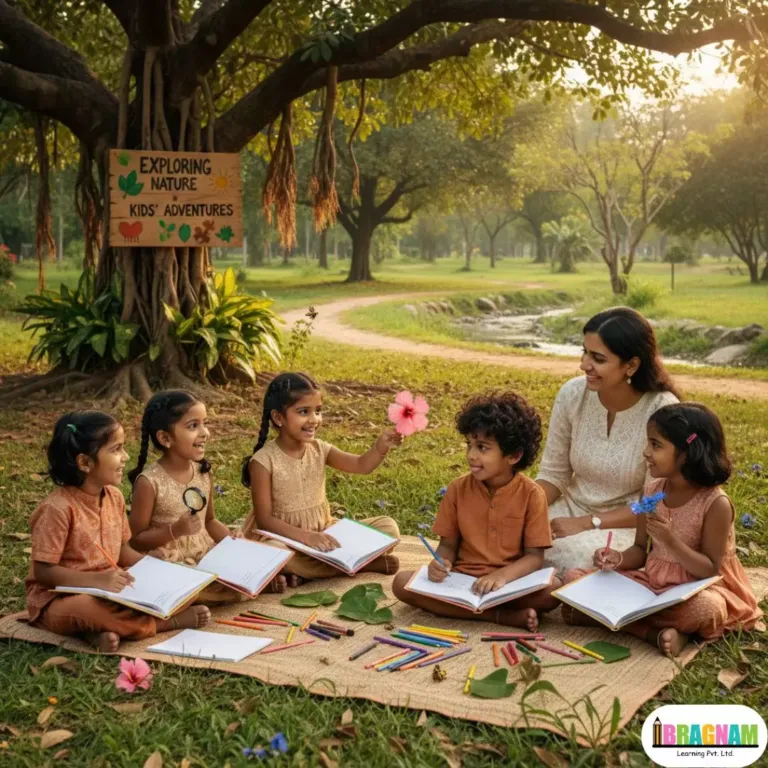
Nature is one of the best teachers for young children. For kindergarten kids, exploring nature opens up a world full of colors, textures, sounds, and fascinating discoveries. Whether they are observing plants, watching tiny insects, or listening to birds, children naturally become curious learners. Encouraging kids to write about their experiences in nature not only builds early writing skills but also promotes awareness, creativity, and a love for the environment.
In this article, we explore the importance of nature-based writing for young learners, simple ways to introduce it, and fun activities that inspire imagination. Parents and teachers can use these ideas to make “Exploring Nature” meaningful, joyful, and educational.
Why “Exploring Nature” Is Important for Kindergarten Kids
Children between 3–6 years are naturally curious. Nature provides endless opportunities to observe, touch, smell, and learn.
Key Benefits
- Enhances observation skills
Kids learn to notice details like leaf shapes, flower colors, tiny insects, or the sound of wind. - Boosts vocabulary development
Nature adds new words to their daily language—roots, petals, nest, soil, wings, bark, and more. - Encourages creativity and imagination
Describing nature scenes helps kids build interesting stories and picture-based descriptions. - Builds environmental awareness
Kids understand the importance of plants, animals, and ecosystems from a very young age. - Improves writing and communication skills
Expressing their feelings and experiences helps them form simple sentences and clear ideas.
How to Introduce “Exploring Nature” Writing to Kindergarteners
1. Start With Short Nature Walks
Take children for a short walk in:
- A school garden
- A nearby park
- A backyard
- A nature-themed classroom corner
Let them observe freely before discussing anything.
2. Encourage Observation Using the Five Senses
Guide kids to explore nature through:
- What they see: plants, trees, insects
- What they hear: birds, rustling leaves
- What they smell: flowers, soil
- What they touch: smooth leaves, rough bark
- What they feel: warmth of the sun, soft breeze
This helps make writing more expressive.
3. Encourage Kids to Complete Simple Starter Sentences
To make writing easier, give children incomplete sentences that they can finish on their own, such as:
- “I saw a __________ in the garden today.”
- “My favorite thing in nature is __________.”
- “The tall tree looked like __________.”
- “I felt happy when I saw __________.”
These easy sentence starters help children express their experiences clearly.
4. Use Drawing Before Writing
Drawing is a crucial step for kindergarten kids. Encourage them to draw:
- Their favorite plant
- A butterfly
- A tree
- The sky or clouds
Then help them write 1–2 simple sentences describing their artwork.
5. Create a Nature Journal
Give each child a nature notebook where they can:
- Stick leaves
- Draw flowers
- Paste pictures
- Write words or short sentences
- Record what they observed
This builds a habit of observation and reflection.
Fun Nature Writing Activities for Kindergarten Kids
1. Leaf & Flower Description
Kids pick a leaf or flower and write about:
- Color
- Shape
- Size
- Texture
2. “Animal of the Day”
Choose one creature kids notice (ant, bird, caterpillar).
They can write about:
- What it looks like
- What it eats
- Where it lives
3. Mini Nature Poem
Create a simple nature poem with the child, like:
“Green leaves sway,
Birds fly today,
Flowers bloom bright,
Nature feels right.”
4. Weather Observation
Kids can write or draw about:
- Sunny day
- Rainy day
- Cloudy day
- Windy day
5. My Favorite Nature Spot
Ask kids to choose their favorite outdoor place such as:
- A tree
- A bench
- A grassy patch
- A flower bed
Then help them write why they like it.
Tips for Teachers & Parents
- Keep activities simple and joyful.
- Celebrate every effort—spelling mistakes are okay.
- Use real objects for inspiration.
- Allow kids to express their thoughts in their own words.
- Mix writing with storytelling, games, and outdoor play.
Conclusion
When kids engage in “Exploring Nature” and express their experiences through writing, they not only build communication skills but also develop a deeper appreciation for the natural world. These activities encourage children to observe carefully, think creatively, and express their thoughts confidently. Whether at home or school, nature can be their most inspiring classroom.
Encourage your kindergarteners to observe, explore, imagine, and write their way into the wonders of nature!
Frequently Asked Questions (FAQs)
1. Why is exploring nature important for kindergarten kids?
It helps children build observation skills, vocabulary, curiosity, creativity, and environmental awareness at an early age.
2. How can I motivate my child to write about nature?
Take them outdoors, encourage drawings, use simple sentence starters, and let them describe real things they observe.
3. What are some easy nature writing activities for young kids?
Leaf descriptions, weather journaling, observing small animals, creating simple poems, and keeping a nature journal.
4. Does nature writing help language development?
Yes. Children learn new words, practice sentence formation, and build communication skills naturally.
5. How can teachers include nature writing in class?
By conducting short outdoor walks, using nature objects in class, encouraging artwork, and helping kids describe what they experience.