
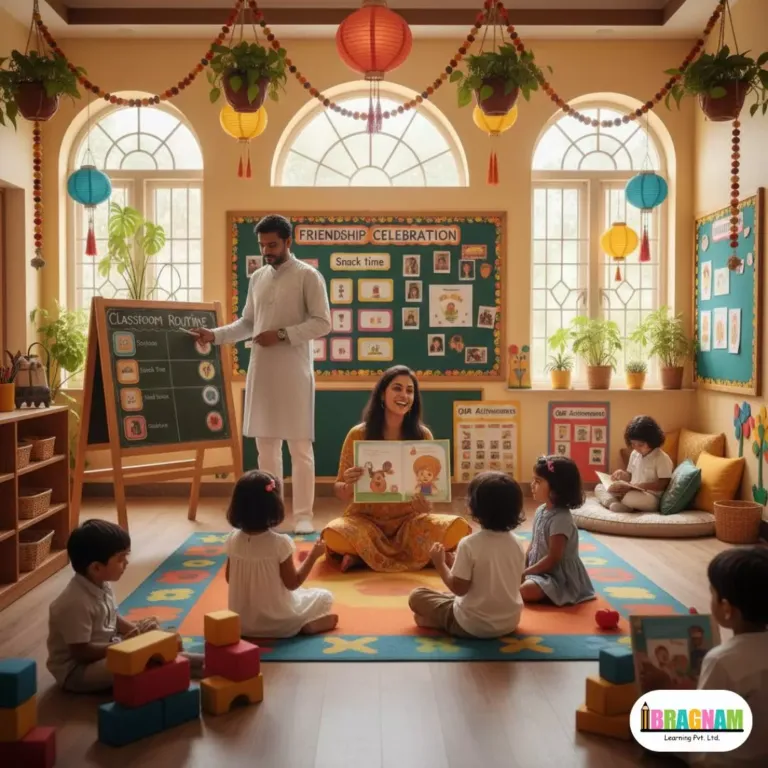
Introduction: The Foundation of Happy Learning
Ensuring a positive classroom climate is essential for nurturing young minds in playschools and kindergartens. A positive classroom climate is the cornerstone for academic success, social development, and long-lasting well-being among preschoolers. When teachers foster trust, empathy, and engagement, children feel secure and excited to learn. At Bragnam, our mission is to empower every franchise teacher with easy, actionable strategies to create vibrant, supportive classrooms. This article explores proven tips for teachers so every playgroup child thrives from their very first day.
Why Classroom Climate Matters
A positive classroom climate influences children’s emotional state, behavior, and learning outcomes. In preschool, the classroom itself acts as a “third teacher”—shaping how children interact, discover, and express themselves. When the climate is welcoming and supportive:
- Children feel safe and eager to participate.
- Relationships flourish among peers and with teachers.
- Learning becomes joyful, collaborative, and meaningful.
Core Principles of a Positive Preschool Environment
Build Trust and Understanding
- Greet students warmly each day—with a smile, a high-five, or a friendly conversation. This builds a sense of belonging from the moment they enter the classroom.
- Share something personal about yourself to help children relate and create bonds.
- Listen actively to children—acknowledge their ideas, concerns, and emotions.
Establish Clear Expectations and Routines
- Use colorful posters and visual schedules to outline classroom rules and daily routines.
- Engage students in the process by letting them help set safety rules and classroom norms—this promotes ownership and cooperation.
- Keep routines consistent to help children feel secure, especially during transitions.
Positive Reinforcement and Encouragement
- Recognize efforts and good behavior consistently—stickers, praise, or small rewards reinforce positive actions.
- Celebrate achievements together, big and small, to boost confidence.
- Use positive affirmations to kickstart each day, creating an encouraging culture.
Facilitate Empathy and Cooperation
- Model and encourage kindness, sharing, and teamwork through stories, role-play, and group activities.
- Organize cooperative games and projects to promote problem-solving and friendship.
Design an Engaging, Safe Physical Space
- Organize the classroom with defined learning centers—areas for art, reading, pretend play, and quiet reflection.
- Ensure easy access to materials so children can make independent choices.
- Display children’s work and celebrations to create a sense of pride and belonging.
Foster Strong Family Partnerships
- Maintain clear, friendly communication with families—through daily reports, newsletters, and regular meetings.
- Involve families in classroom activities and child progress to create a team approach.
Actionable Strategies for Teachers
- Morning Greetings: Start the day with a personalized hello for every child.
- Circle Time Check-Ins: Invite children to share their feelings or thoughts at the start and end of each day.
- Behavior Charts and Visual Aids: Use sticker charts and pictures to make rules and routines clear.
- Routine Songs: Play transition songs (e.g. clean-up music) to make routine changes smooth and fun.
- Peer Recognition: Allow children to compliment peers for kindness or helpfulness.
- Friendship Wall: Celebrate birthdays, milestones, or kind actions with children’s photos or drawings on display.
- Family Newsletters: Share weekly updates and invite home participation in classroom themes.
- Interactive Learning Centers: Rotate activities tailored to children’s interests to sustain excitement and engagement.
Conclusion: Empower Every Classroom with Bragnam
A positive classroom climate transforms ordinary preschool experiences into extraordinary lifelong learning journeys. Every Bragnam franchise teacher has the power to create a vibrant, engaging, and nurturing space for every child. By building trust, communicating openly, and modeling kindness, together we shape empowered learners ready for the future. Let’s continue making every classroom a joyous, safe haven for curiosity and growth!
Frequently Asked Questions (FAQs)
Q1: Why is a positive classroom climate so important in playschools?
A positive climate helps children build confidence, feel safe, and develop social skills—laying the foundation for lifelong learning and success.
Q2: How can teachers handle disruptive behavior positively?
Focus on encouraging good behavior through positive reinforcement, gentle redirection, and establishing clear routines rather than punitive measures.
Q3: What role do families play in classroom climate?
Families who are engaged and informed contribute to a sense of community and consistency for children, enhancing the classroom environment.
Q4: How can teachers encourage cooperation among young children?
Organize team activities, role-play scenarios for sharing, and model empathy. Recognize and celebrate cooperation.
Q5: What are quick ways to brighten classroom atmosphere daily?
Greet every child individually, celebrate small achievements, use friendly language, and integrate fun transitions like music or games.