
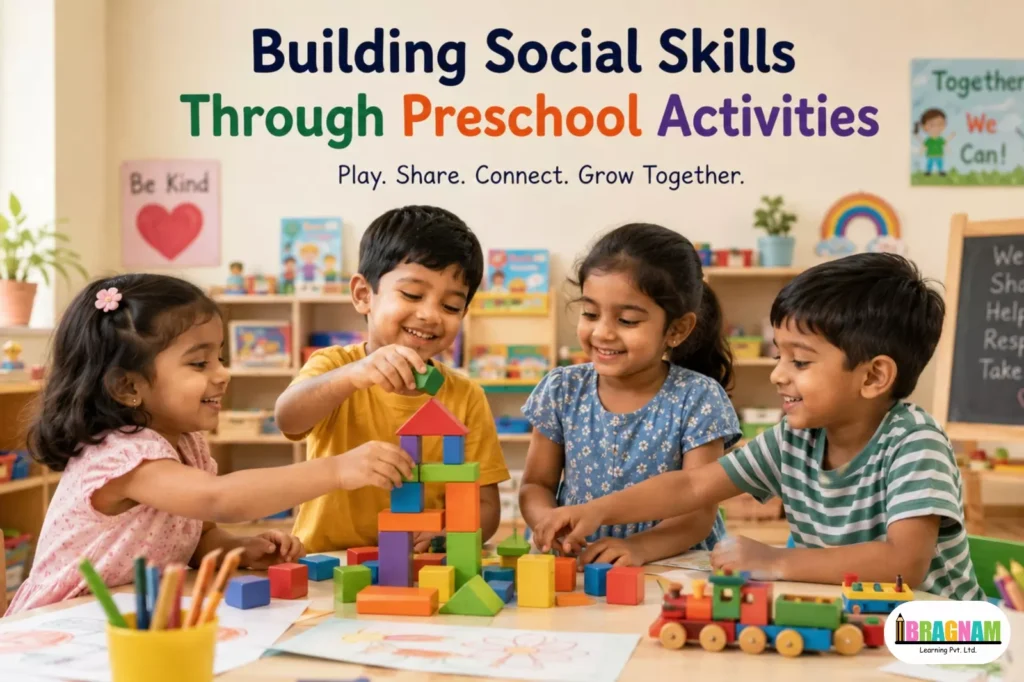
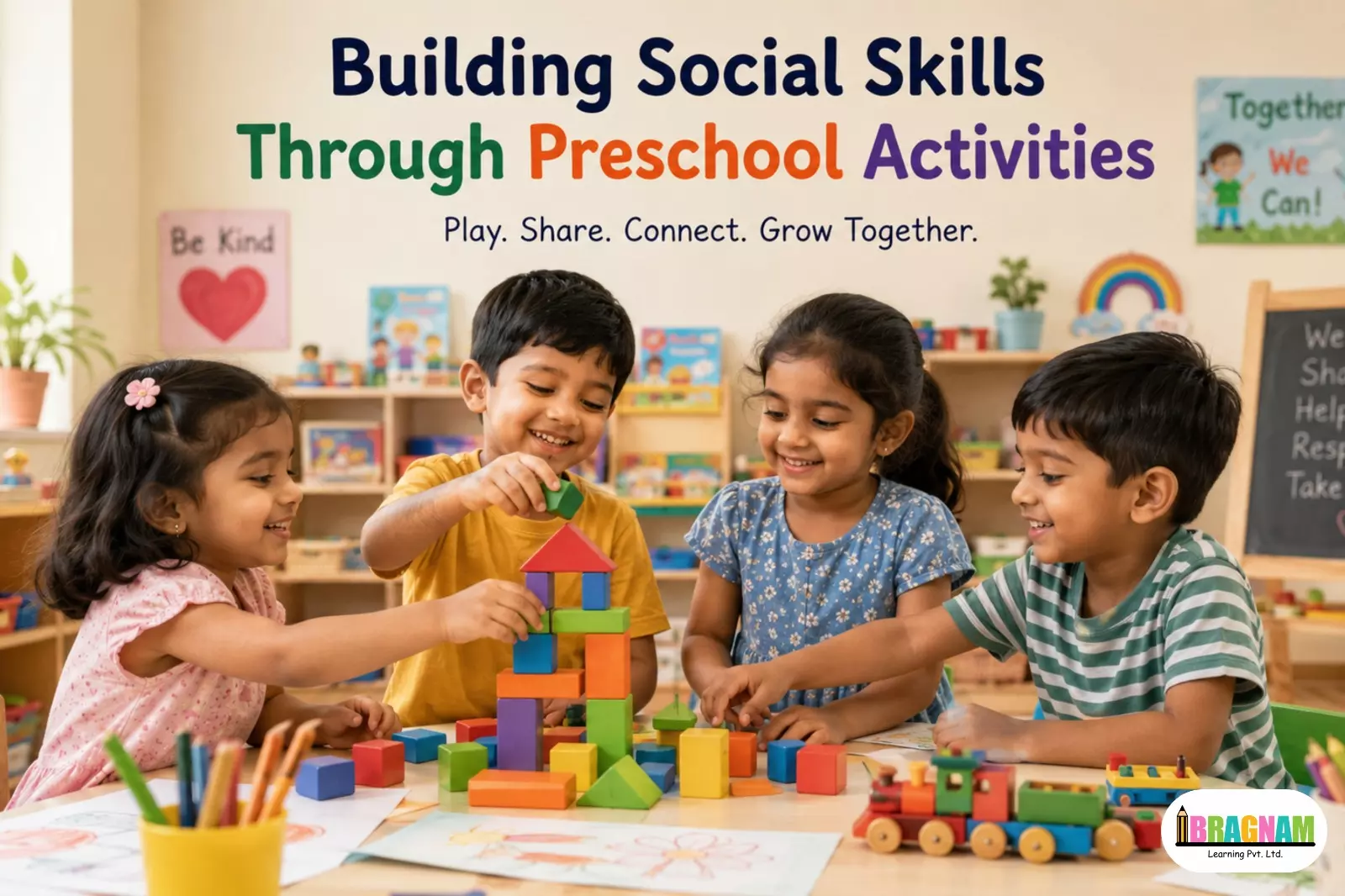
When you watch a group of preschoolers playing together, it might look like pure, unorganized chaos. One child is building a lopsided tower, another is hoarding all the blue crayons, and a third is loudly negotiating who gets to be the firefighter. But beneath the surface of this playtime energy, something incredibly complex is happening. These children are hard at work developing foundational social skills.
For young children, learning how to share, empathize, and communicate doesn’t happen by reading a textbook. It happens through active play. Engaging in targeted preschool activities is one of the most effective ways to help children transition from solitary play to building meaningful relationships with their peers.
In this guide, we will break down why early social development matters and explore the best, actionable preschool activities that foster these essential life skills.
Why Social Skills Matter in Early Childhood
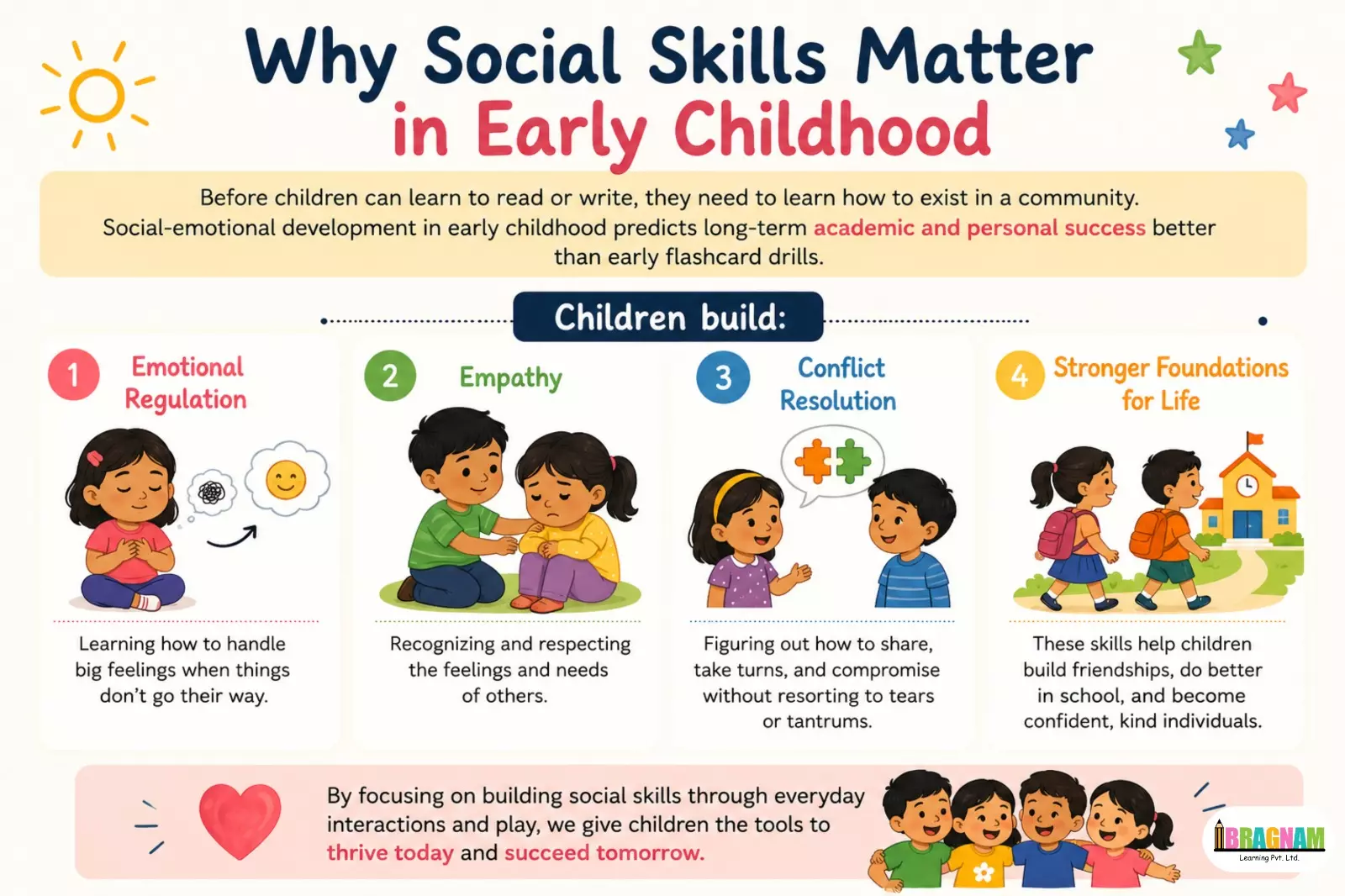
Before children can learn to read or write, they need to learn how to exist in a community. Social-emotional development in early childhood predicts long-term academic and personal success far better than early flashcard drills.
When children learn to navigate social spaces, they build:
- Emotional Regulation: Learning how to handle big feelings when things don’t go their way.
- Empathy: Recognizing and respecting the feelings and needs of others.
- Conflict Resolution: Figuring out how to share, take turns, and compromise without resorting to tears or tantrums.
Without these foundational blocks, entering kindergarten can feel overwhelming. By focusing on building social skills through preschool activities, parents and educators give children a safe playground to practice, make mistakes, and grow.
Top Preschool Activities that Build Connection
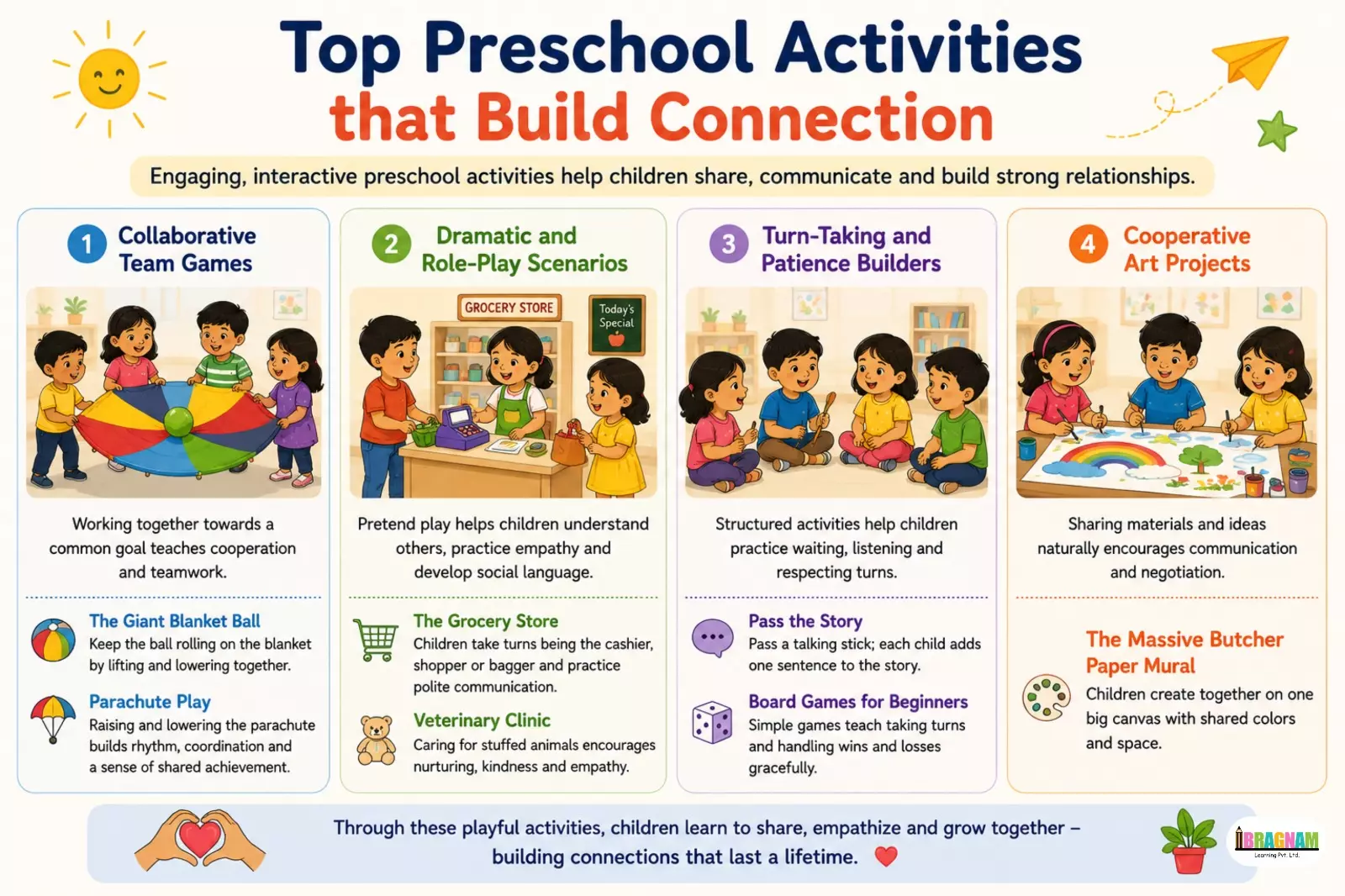
Not all play is created equal when it comes to social growth. While independent tablet games have their place, interactive and collaborative games are the real drivers of social development. Here are four categories of activities that yield the highest social returns.
1. Collaborative Team Games
Games that require children to work toward a common goal teach them that cooperation is necessary for success.
- The Giant Blanket Ball: Have four to six children hold the edges of a large blanket. Place a lightweight ball in the center. The goal is to work together to keep the ball rolling on the blanket without letting it fall off. This forces them to communicate (“Lift higher!”, “Hold tight!”) and move in sync.
- Parachute Play: A classic preschool favorite. Raising and lowering a giant parachute requires collective effort and rhythm, creating an immediate sense of shared achievement.
2. Dramatic and Role-Play Scenarios
Pretend play allows children to step into someone else’s shoes—literally and figuratively. This is where empathy is born.
- The Grocery Store: Set up a mock grocery store with empty food boxes, a toy cash register, and play money. Children must take turns playing different roles: the cashier, the bagger, and the shopper. This setup naturally requires them to practice greetings, polite requests, and waiting in line.
- Veterinary Clinic: Caring for stuffed animals allows children to practice nurturing behaviors and vocabulary associated with comfort and healing.
3. Turn-Taking and Patience Builders
Patience is a difficult concept for a four-year-old. Activities with clear structures help them practice the art of waiting.
- Pass the Story: Sit in a circle. The adult starts a story with one sentence (e.g., “Once upon a time, a purple dragon lived in a cave…”). Pass a talking stick around the circle. Each child can only add one sentence to the story when they hold the stick. This teaches active listening and waiting for one’s turn to speak.
- Board Games for Beginners: Simple games like Candy Land or Count Your Chickens are fantastic tools for teaching kids how to handle the structure of taking turns and, crucially, how to handle losing gracefully.
4. Cooperative Art Projects
When children have to share a single canvas or set of tools, negotiation happens organically.
- The Massive Butcher Paper Mural: Tape a long sheet of butcher paper across the floor or wall. Give the children a specific theme (like “The Deep Blue Sea” or “Outer Space”) and a limited set of markers. Because space and supplies are shared, they must talk to each other to avoid painting over someone else’s work.
Tips for Parents and Educators to Support Social Growth
Simply setting up an activity isn’t always enough. Adults play a vital role as “social coaches” during these formative years.
Narrate the Positives
Instead of just correcting bad behavior, actively highlight positive social interactions when you see them. Try saying: “I loved how you noticed Sarah was sad and offered her the red truck. That was incredibly kind.”
Scaffold, Don’t Standardize
When a conflict arises over a toy, resist the urge to immediately step in and solve it for them. Instead, scaffold the interaction. Ask questions like: “You both want the dinosaur. What can we do to make sure you both get a turn?” Let them pitch the solutions.
Conclusion: Investing in Your Child’s Future
At the end of the day, building social skills through preschool activities is about giving children the tools to navigate a collaborative world. The towers they build out of blocks might fall over, and the pretend grocery store will eventually close, but the lessons in cooperation, patience, and empathy will stay with them for life.
By intentionally integrating these playful, interactive moments into your daily routine, you aren’t just filling an afternoon—you are helping your child build a strong social foundation for kindergarten and beyond.
Ready to set your little one up for success? Try introducing one collaborative game from this list into your playdate schedule this week, and watch how quickly those little connections begin to grow!