
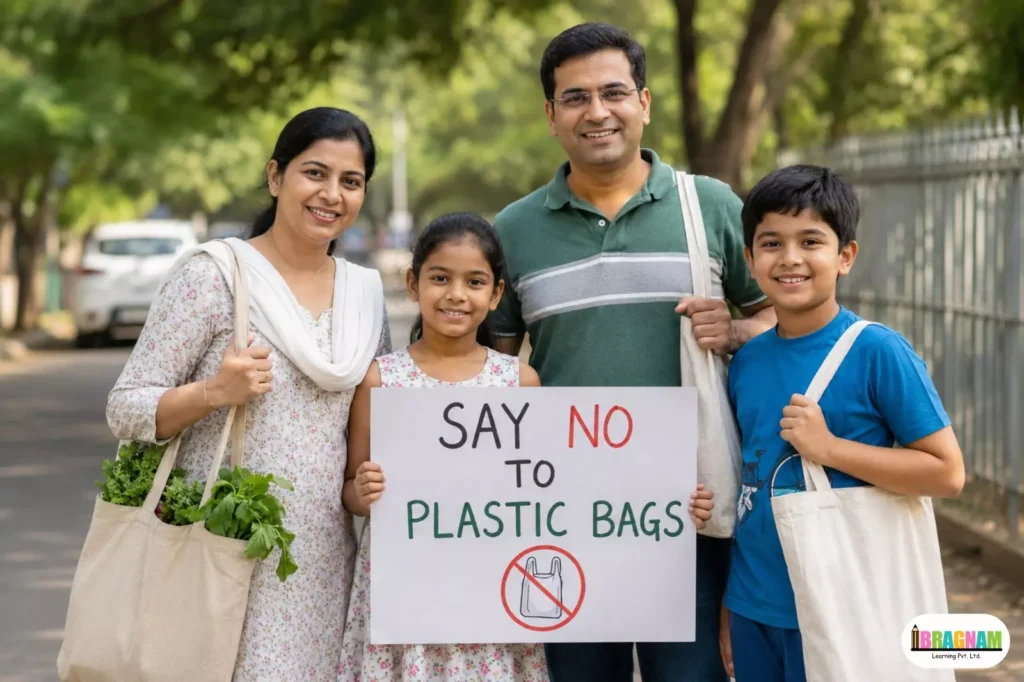
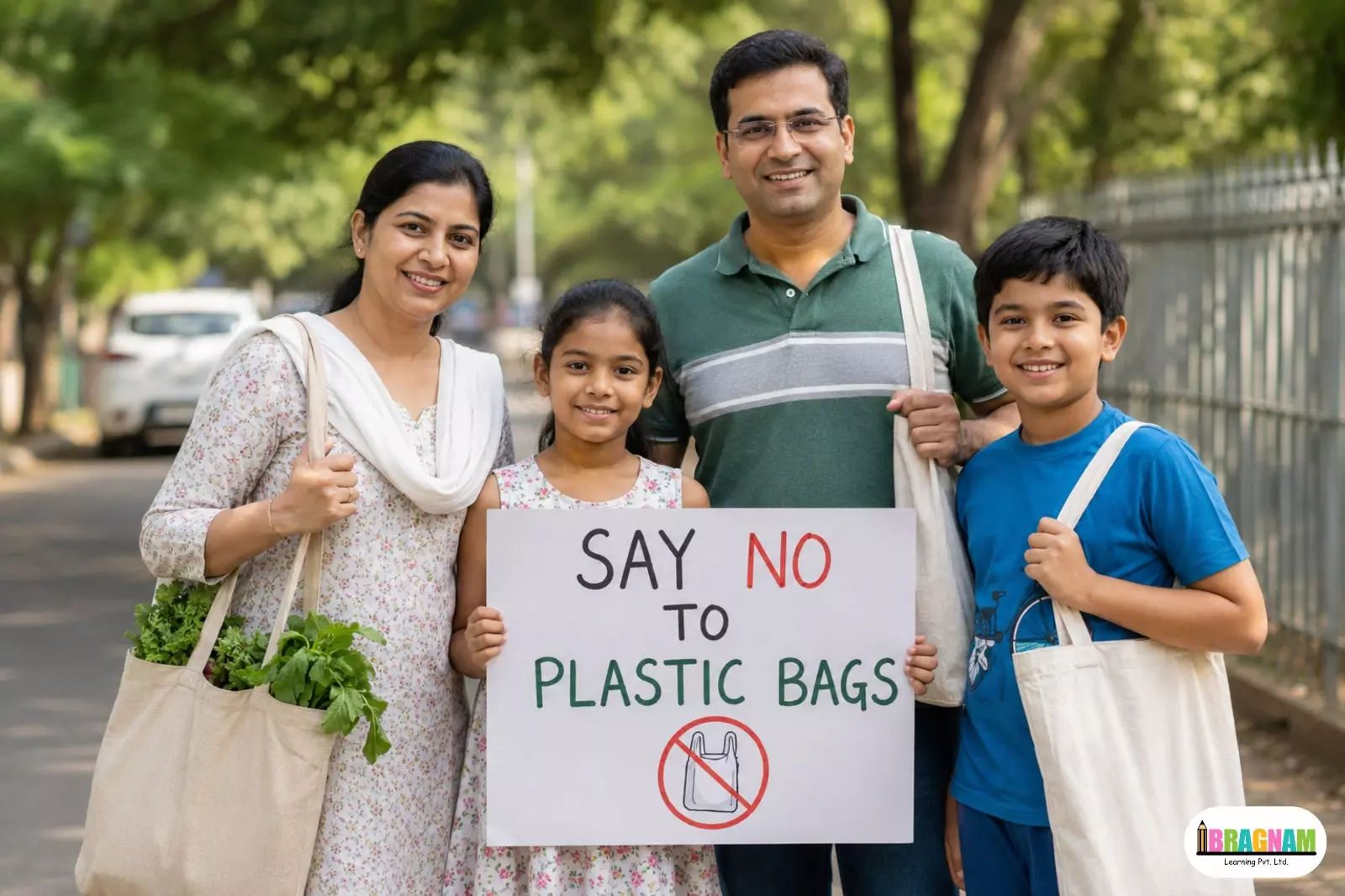
Together Say No To Plastic Bags: a plastic bag snagged on a tree branch, floating in a local pond, or tumbling down the sidewalk like a modern-day tumbleweed. Single-use plastics are everywhere, and their environmental toll grows heavier by the day. As parents, educators, and guardians, we have a unique window of opportunity to change this trajectory. By helping our kids say no to plastic bags, we aren’t just cleaning up our neighborhoods—we are raising a generation of mindful consumers.
Teaching children eco-friendly habits doesn’t have to feel like a series of strict rules or boring chores. When we reframe sustainability as an adventure, a creative project, or a meaningful family mission, kids eagerly jump on board.
Why Kids Need to Lead the Charge Against Plastic
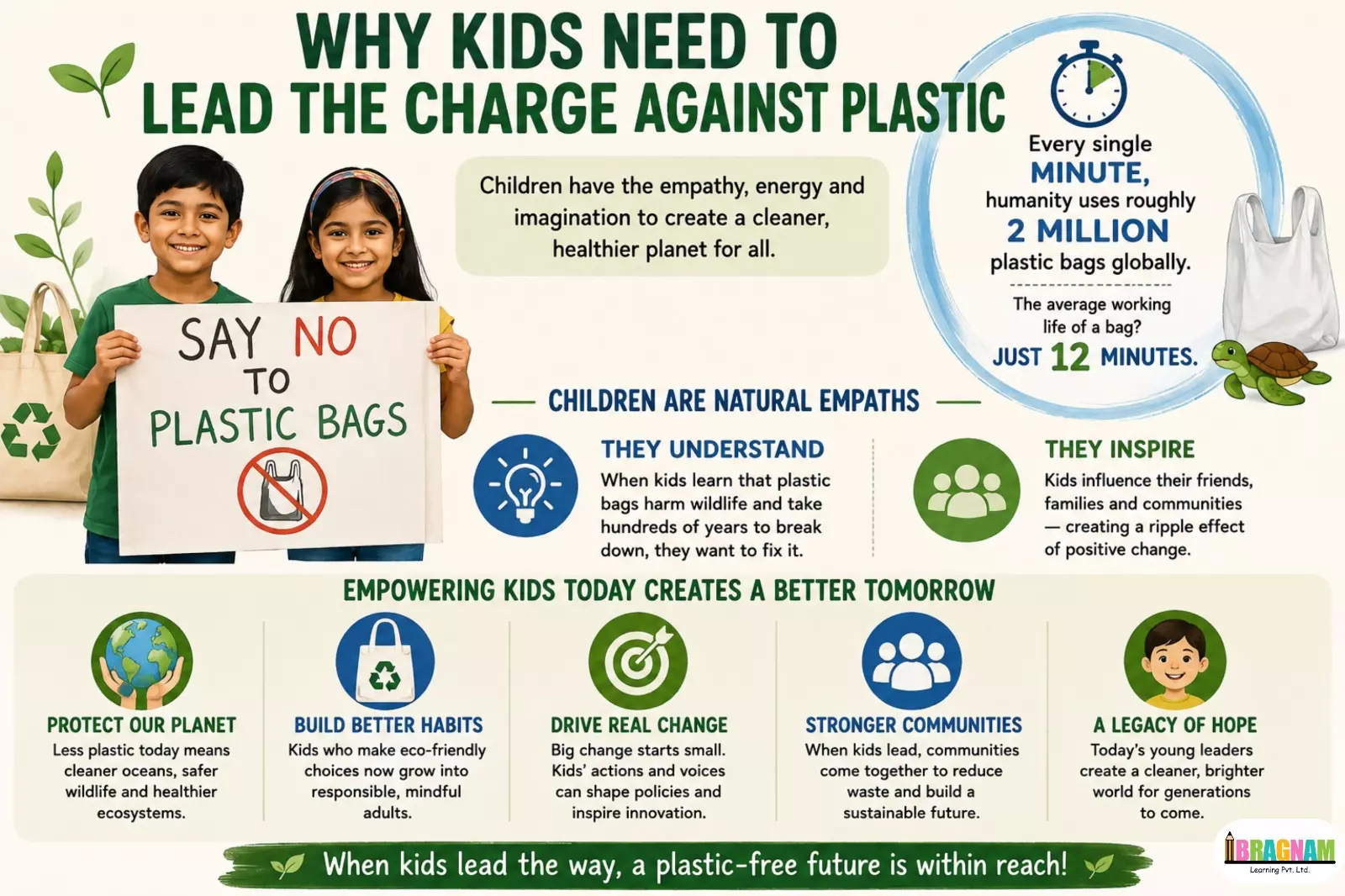
Children are natural empaths. They love animals, they enjoy playing outside, and they have an innate sense of fairness. When they learn that a simple plastic bag can harm a sea turtle or take hundreds of years to break down, they don’t just understand it intellectually—they want to fix it.By teaching children to say no to plastic bags, we teach them the core principle of mindful consumption. We show them that their daily choices have a direct, measurable impact on the world around them.
Simple Ways to Teach Children Eco-Friendly Habits
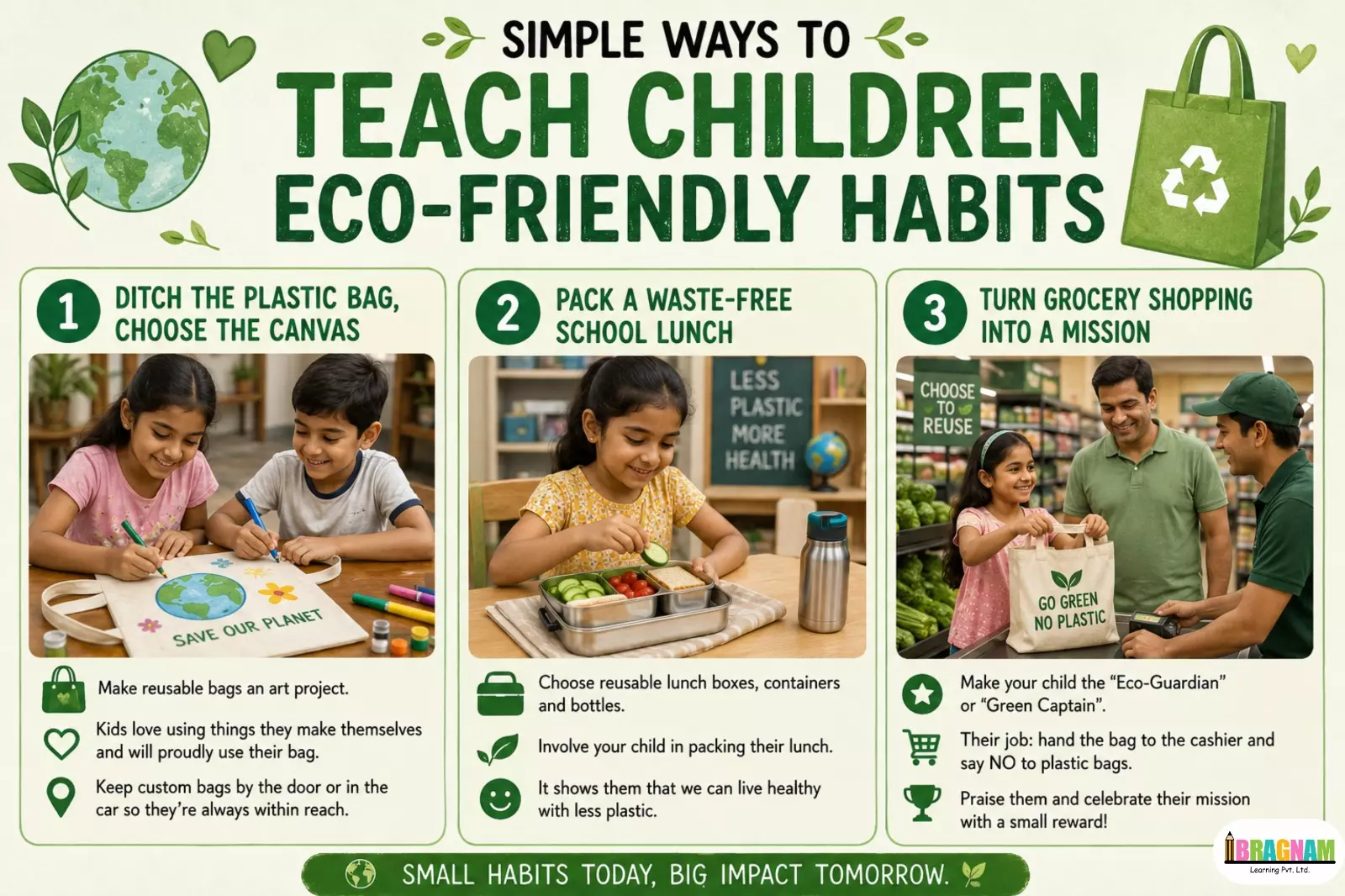
The best way to build a habit that sticks is to make it visual, interactive, and consistent. Here is how you can seamlessly blend green habits into your child’s daily routine.
1. Ditch the Plastic Bag, Choose the Canvas
Make the transition to reusable bags an art project. Buy a few plain, unbleached canvas tote bags and let your children customize them with fabric markers, stamps, or non-toxic paint.
- The Benefit: Kids love using things they made themselves. When you head to the grocery store, they will proudly carry their bag, making them much more likely to remind you to say no to plastic bags at the checkout counter.
- The Ritual: Keep these custom bags by the front door or in the car trunk so they are always within reach.
2. pack a Waste-Free School Lunch
School lunches are notorious for generating plastic waste. Ziploc baggies, plastic wrap, and single-use shopping bags add up quickly over a 180-day school year.
- The Switch: Invest in a sturdy, reusable bento box and stainless steel water bottles.
- The Routine: Involve your children in packing their lunch. Let them place the apple slices directly into the silicone pouch or bento compartment. It visually demonstrates that food doesn’t need to be wrapped in plastic to stay fresh.
3. Turn Grocery Shopping Into a Mission
Kids love having a job to do. Before you walk into a store, assign your child the role of the “Eco-Guardian” or “Green Captain.”
- Their Task: Their job is to hand the clerk the reusable canvas bags before scanning begins and firmly, politely declare that you want to say no to plastic bags.
- The Reward: Celebrate their successful mission with praise or by letting them choose a loose, plastic-free fruit or vegetable for dinner.
Fun Games that Build Green Mindsets
You don’t need to lecture your kids to get the point across. Instead, turn environmental awareness into a game.
The 12-Minute Challenge
Since the average plastic bag is only used for 12 minutes before being thrown away, challenge your kids to find alternative uses for items around the house that last much longer. See who can come up with the most creative reusable alternative for everyday storage.
The Neighborhood Litter Bingo
On your next walk to the park, hand your child a small trash grabber and a paper bag. Create a simple bingo card with items like “plastic bottle cap,” “plastic wrapper,” and “single-use bag.” As you safely clean up your neighborhood together, discuss how those items got there and how your family avoids using them.
Consistency is Key: Lead by Example
Children are incredibly observant. They watch what we do far more closely than they listen to what we say. If we tell them to care about the planet but consistently accept plastic bags at every retail store, the message gets lost.
Make it a family rule: If we forget our reusable bags, we carry our items by hand or push the cart directly to the car.
This minor inconvenience is a powerful teaching tool. It reinforces the idea that convenience should not come at the expense of our planet, making it easier for the whole family to collectively say no to plastic bags.
Conclusion: Small Steps, Big Impact
Raising eco-friendly children isn’t about achieving absolute perfection overnight. It is about fostering an awareness that grows with them. Every time your child proudly hands a canvas tote to a cashier, packs a zero-waste lunch, or reminds you to grab the reusable bags from the trunk, they are practicing a habit that protects our oceans, wildlife, and communities.
When we empower our kids to say no to plastic bags, we are giving them a gift: the knowledge that they are never too small to make a massive difference. Start small today, stay consistent, and watch your children lead the way toward a cleaner, greener tomorrow.